 Sign in
The secret of social connection
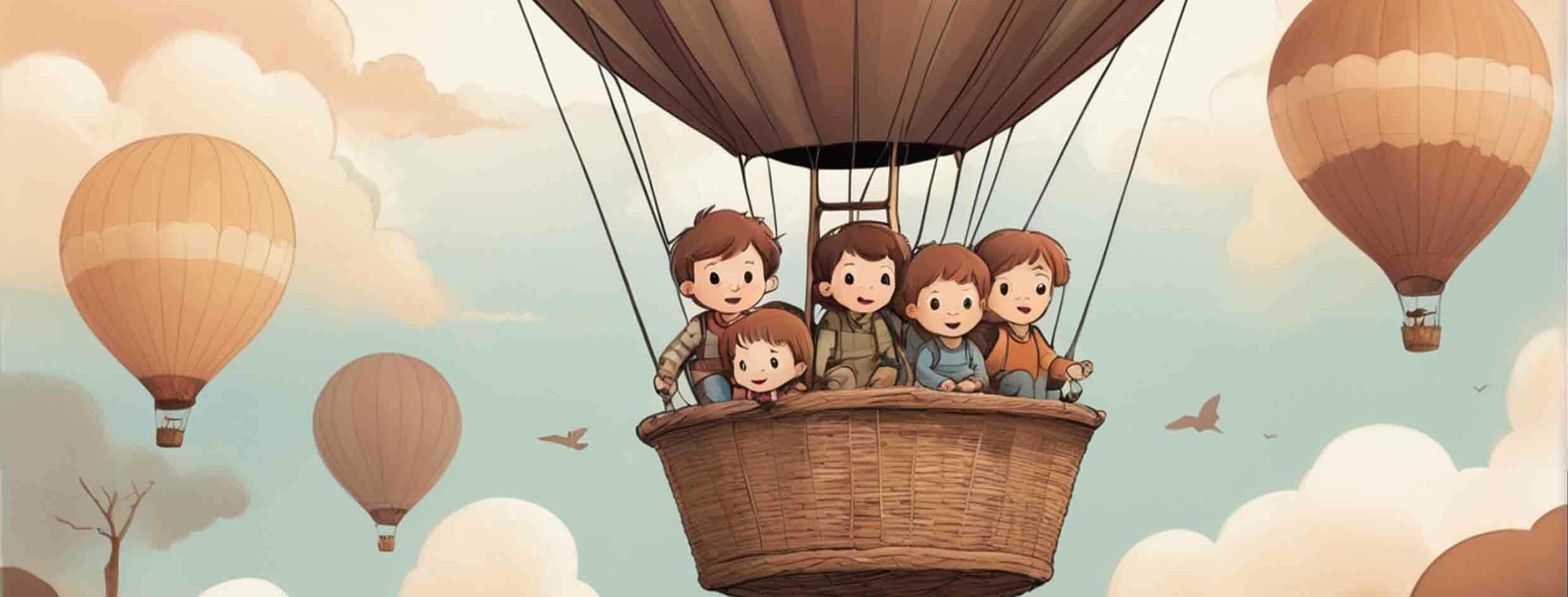
Mazal tov! Joy in the family. A baby is born.
Babies come into the world with a basic ability to bond with their parents. Over the years, as they grow and develop, they acquire more complex social skills and various social codes. This development is tied both to the child's cognitive development – their ability to think and understand things – and to the experiences they gather from the environment they live in.
As the child grows and develops, he learns how to connect with other children, how to cooperate, how to resolve conflicts and more.
He also learns the social "rules" – that is, how to behave in a socially acceptable way. This process is natural and expands gradually as the child gains experience.
Social connections are a vital part of a child's healthy development. They give the child opportunities to learn and practice basic social skills, such as making eye contact, listening to others, cooperating, resolving conflicts and more. Through social connections the child learns to know himself and others, develop self-confidence and a sense of worth, express emotions appropriately and adopt social norms. Beyond that, social connections give the child emotional support and opportunities for play and learning through exploration and fun.
Social skills are influenced by several factors related to the different environments the child belongs to – educational, social and personal.
So what can affect children's social skills?
Parents are the most important role models for children. Children who see their parents behave in a socially appropriate way will learn to do it themselves. Children who grow up in a warm, supportive home will have higher self-confidence and find it easier to connect with others.
But a child who experiences rejection and constant dissatisfaction from his parents may show a lack of self-confidence and a poor self-image. A child who internalizes the negative treatment he gets at home tends to attribute negative intentions to others and react aggressively, creating a cycle of distancing, rejection and aggression.
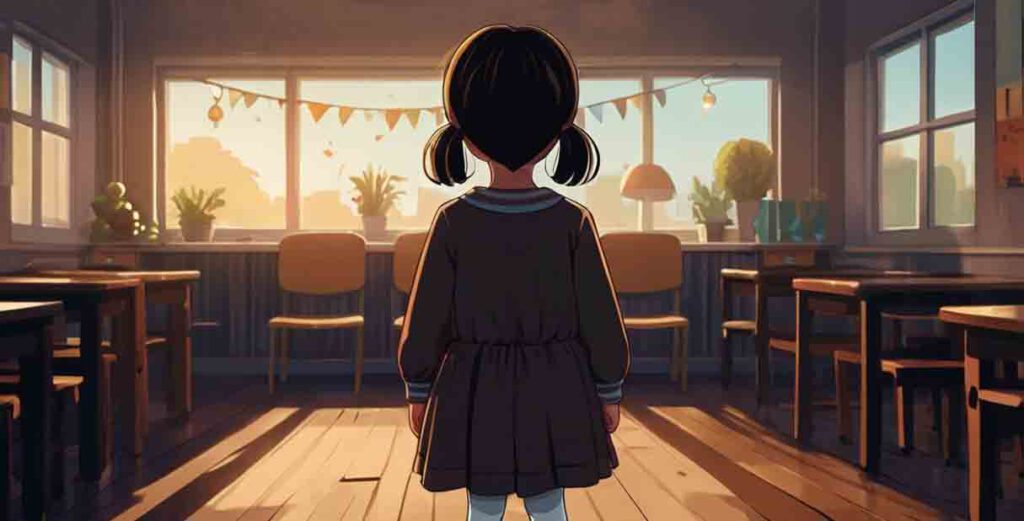
School is also an important social environment for children.
At school children learn how to get along with others, how to resolve conflicts and how to cooperate. School staff can help children develop their social skills by creating a supportive, encouraging environment.
The education system's role is to be a supportive environment for the child, but it doesn't always manage to provide this, so sometimes socially weaker children struggle to cope, develop negative behavior patterns and, in exceptional cases, their social situation deteriorates.
In many cases, difficulties arise from innate challenges that make it harder to learn and apply social skills.
For example: children with ADHD, one of whose symptoms is impulsivity, may get drawn into fights and rudeness that lead to a cycle of rejection by children and even adults around them.
Or, for example, children dealing with sensory regulation difficulties may misinterpret touch because of heightened tactile sensitivity. This misinterpretation can lead to rejection, aggression and violence in interpersonal relationships.
From preschool through adolescence, children's social connections with their peers are a foundational part of healthy development. Quality friendships and smooth integration into the group lead to good academic achievement, while social difficulties may harm their emotional, social and cognitive development.
Needless to say, every child has a different starting point and each develops at their own pace. Some children will be more sociable than others, but there's always room to improve.
So what should you watch for and what can you do?
Given the great importance of social connections, it’s very important to notice signs that point to difficulties in this area in children.
A child who repeatedly complains about not having friends, struggles to join games or reports emotional difficulties that make it hard to form meaningful connections with other children is sending out a cry for help that must not be ignored.
A good vantage point that reflects a child's social situation is how he behaves in group activities, such as parties, trips and family events.
In these situations you can see whether the child fits into the group well or stays alone on the side.
Unusual behavior, such as not understanding social norms and being unable to respond appropriately, can point to deeper social difficulties.
Another sign of difficulty forming social connections is trouble making eye contact, excessively impolite behavior or an inability to communicate clearly with other children.
Sometimes social difficulties show up as a lack of caring for others. A child who shows no interest in or concern for family, friends and acquaintances may have an emotional difficulty that makes it hard for him to form meaningful connections and see others as valuable and meaningful.
In addition, a constant preference for spending time alone, avoiding social or class activities, or anxiety before meeting other children may indicate social difficulties that require treatment.
When a child shows one or more of these signs, it’s important to pay attention to their situation.
Racheli Malka
rachelim101@gmail.com