
 Sign in
Back to gan: facing the challenges of returning to routine together
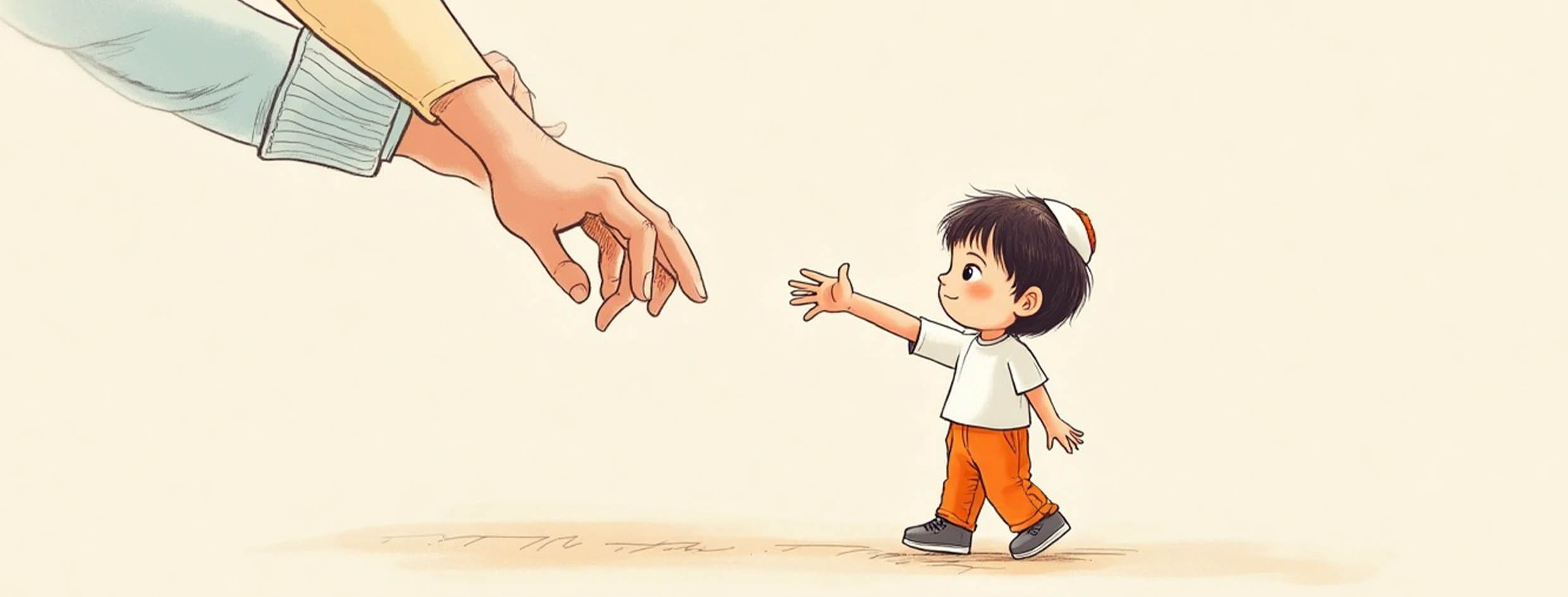
Pesach vacation is over, and with it the days off, the matzot and the outings. Now it's time to return to the familiar preschool routine. For some children this return will be smooth and pleasant, but for others it may come with some not-so-simple challenges. As a significant figure in their lives, our role is to be attentive and empathetic and to give them the support they need to ease the transition back.
What challenges do preschoolers face when they come back from weeks of vacation?
- Readjusting to the setting and the rules: after days of flexible bedtimes and schedules, getting back to fixed hours, routines and preschool rules can be complicated. Some children will need a gentle reminder and some reinforcement of boundaries.
- Missing home and hard goodbyes: family ties grow especially close during vacation. Coming back to preschool can stir up strong feelings of missing parents and siblings, and sometimes make morning goodbyes harder.
- Social reintegration: after a long break from group dynamics, children need to readjust to the social world of the preschool. That includes renewing friendships and relearning the rules of play and cooperation. There may be some initial difficulties with communication and resolving conflicts.
- Tiredness and mood changes: the change in routine and sleep schedule during vacation, along with lots of activities, may leave some children tired and more emotionally vulnerable. This can show up as oversensitivity, irritability or impatience.
- Getting back to learning activities: after a break from the structured activities of preschool, some children will need time to reconnect with the learning routine and find interest again in crafts, singing and stories.

How can we, as an educational team, help during this period?
- Creating an accepting, supportive atmosphere: in the first days back, make sure the atmosphere is calm, patient and accepting. Let the children express their feelings, even if they come out as crying or challenging behavior.
- Strengthening the personal connection: give each child some personal time, ask how they're doing, take an interest in their vacation experiences and show empathy for their difficulties.
- A gradual return to routine: don't rush to pile on activities. Start with light, familiar activities and increase the intensity gradually.
- Reviewing routines and rules clearly and gently: remind the children of the preschool rules and routines in a positive, consistent way. Use simple, clear language and demonstrate what's expected.
- Encouraging social interaction: organize group activities that encourage cooperation, playing together and positive communication between the children.
- Working together with parents: keep open communication with the parents. Share your observations and the challenges that come up, and ask them about the child's behavior at home. This cooperation will help create consistent support for the child.
- Using familiar, well-loved activities: include in your weekly plan activities the children enjoyed in the past. The feeling of something familiar and loved can ease the return to routine.
- Making room for expressing feelings: let the children express their feelings through talking, drawing, play or any other way that suits them. Listen to them and show understanding.
The first days back may be challenging, but they also hold an opportunity for renewed growth and for strengthening the bonds within the preschool. Together, we'll accompany the children in their first steps back to routine, and soon we'll see them blossoming, learning and enjoying themselves together again in the safe and beloved space of the preschool.
What other challenges do you notice when children return to preschool after Pesach vacation? Which tips do you use to ease the transition? We'd love to read your insights and ideas in the comments below, so we can learn and grow stronger together as a supportive educational community.