
 Sign in
Creating an educational environment | Part 1
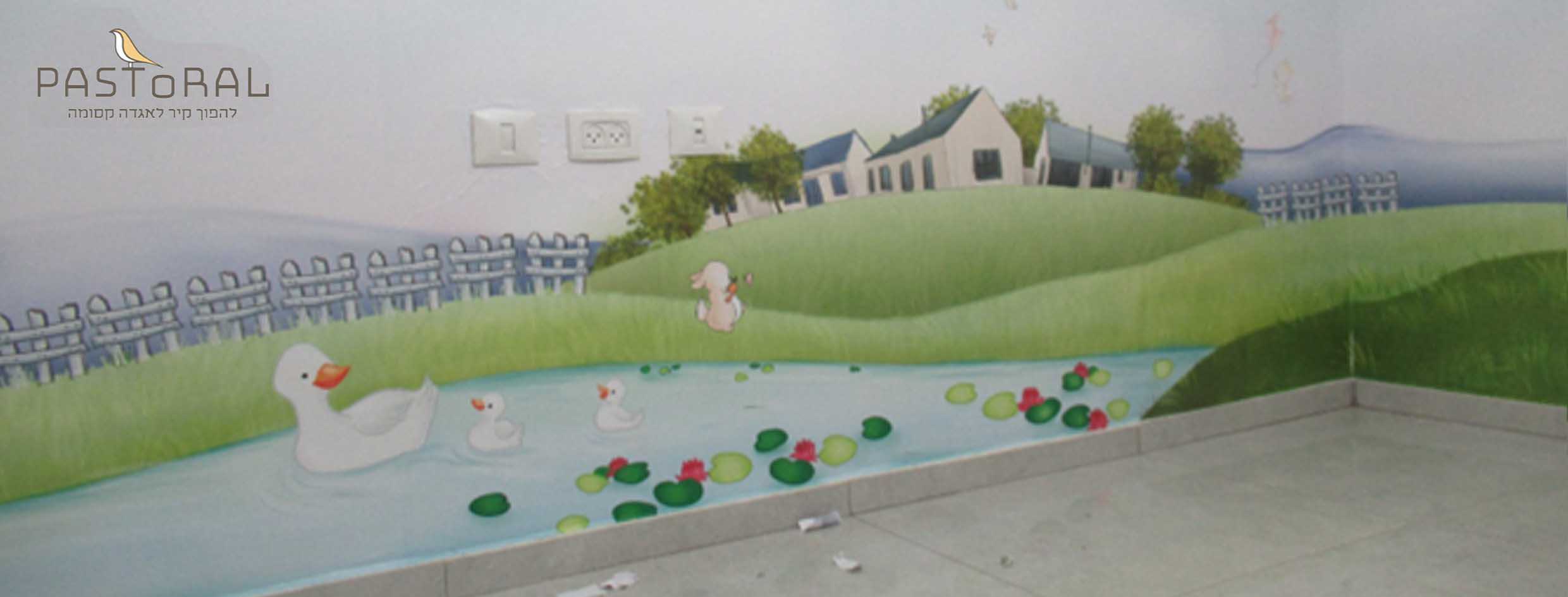
Every teacher wants her lesson to look different, wants the material she teaches never to be forgotten, wants learning in her class to become an experience.
Dedicated teachers invest tremendous resources of time, energy, sleepless nights and every possible way of thinking outside the box in preparing their lessons.
But every abundance needs a vessel. Without a vessel, all your goodness simply fades away, and like every teacher you can recite that the vessel must be a vessel that holds blessing.

So what is the vessel? What will hold the learning and make it stick?
For that we need to understand a few things: let’s remember the start of the year for a moment. What is it about the start of the year that lights up a student’s eyes?
We all know how to recite that a new beginning, bringing opportunities and renewal on its wings, only does good, but if we dig deeper we'll discover that the good atmosphere at the start of the year is also made up of the learning environment.
What is a learning environment anyway?
The learning environment is just what its name says – it's the space that surrounds learning, which students enter and leave with new knowledge. In other words: it's the classroom itself, with everything in it.
And now that we understand, let’s get to know a few very important points that affect everyone’s learning subconscious.
A pleasant classroom broadens a student's mind
What teacher wouldn’t want students with a broad mind? How do you create that?
Everyone knows the spark of light in the eyes that appears when meeting any pleasant environment, and the stifling, heavy feeling an unattractive environment leaves us with.
At the start of the year, students meet a learning environment completely different from the one they left behind at the end of the previous school year. From the shiny new writing tools, pencil cases and bags to the renovated, clean classroom. No more half-peeled figure left over from last year's wall decoration – everything is fresh, new, modern and varied, and of course inviting to learn.
The classroom is a living, dynamic, active and bustling place, and naturally peeling can appear on the walls, gray stains sometimes dot various areas, and it sometimes tends to become a place that doesn't send positive energy to the students.
and woe to the teacher whose students lack positive energy…
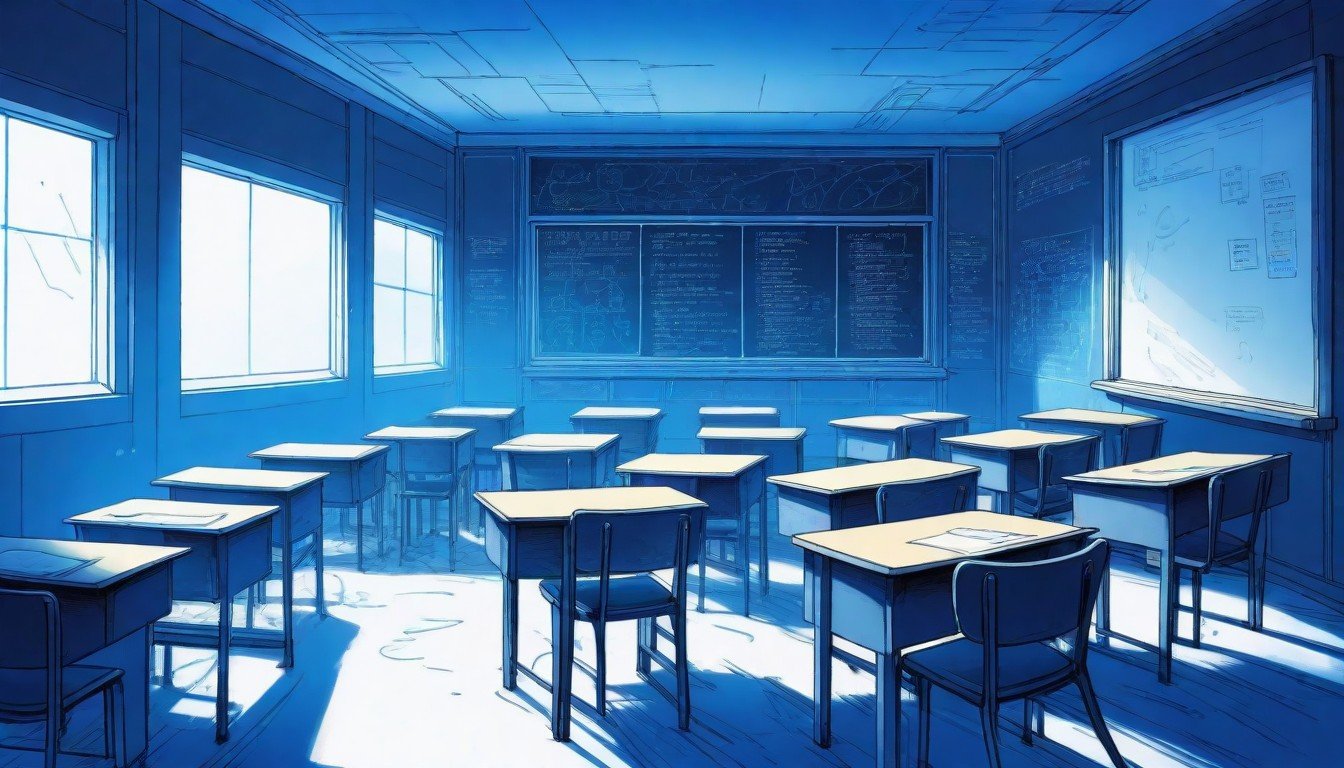
The walls teach on their own
Designing a classroom in connection with the learning material turns the classroom space into a dynamic part of the lesson plan.
You can create areas in the classroom connected to different subjects – whether by posting sentence-structure diagrams or exercises in a designed, eye-catching way, by reinforcing learning habits in a pleasant, heartfelt way, or in many other ways, as imagination allows, that give the student the ability to succeed in learning with a quick glance at the classroom walls in front of him.
This way the designed classroom makes the material accessible to the student; he can recall the material, plan actions and succeed. Of course, combining the visual side – walls designed around the material – with the auditory side – the teacher explaining the material verbally – creates much more effective learning.
Getting to know each other through the wall
In addition, designed walls have a tremendous ability to empower students in ways that don't demand a lot of courage in presenting themselves. In many classrooms it's recommended to set aside decoration areas related to the humanities taught at school, allowing students to display work such as literature, drawings and more on the wall and gain recognition and empowerment along the way.
There are corners meant to nurture social skills and many other ways to reach every student like this, so that even someone who's afraid to express himself in front of the class can do it much more easily through the wall.
A few basic rules
First of all: look at the classroom around you and its walls, plan and divide. Check how many decoration topics you need, how much space each topic requires and exactly where it's best to place them.
Decoration topics can be: math, reading, writing, Gemara, social skills, emotions and more.
Second: where is it recommended to place each topic in the classroom space?
You can divide decorations into active ones (requiring student participation) and inactive ones. The more active the decoration, the more convenient and accessible its location should be.
It's worthwhile and recommended to involve the students in the choice and hear their opinion, so the decoration isn't just another accessory in the classroom but an active, useful learning material that also has the power to give students a sense of connection and belonging.
In inclusion classes it's recommended to create decorations that illustrate what goes on within the classroom walls: behavior rules, duty rosters, class rules, daily schedule and more, to make learning and school rules as tangible as possible.

Studio Pastoral – turning a wall into a magical fairy tale
Website: Studio Pastoral
053-31-44-699 | 3144699@gamil.com