 Sign in
In the social world
The month of Shevat… the middle of the routine.
Tests, homework, winter, rain, home.
This is the time to make room for the social situation.
Every mother wants to see her daughter surrounded by friends, loved, getting along, taking initiative – in short –
sociable.
So hello to you!
My name is Esti Orzel, a mother of six sweet children, b’ezrat Hashem.
Social skills coach, trainer of facilitators and developer of the "Sipurtron" model for social-emotional growth through drama therapy.
As part of my research on social skills, I hold needs-mapping meetings in schools and gans.
I guide the teacher to observe her group and do a sociometric analysis (socio – social, metric – measure)
After that, we run an organized questionnaire with the students and put everything into a neat table. (In preschool it's less rigid 🙂 )
Thank you for the opportunity to come and present the topic briefly.
I’m here to bring a little order and mainly to give practical tools.
I recommend you stay with us, it’s going to be interesting.
Let’s start –
Stage 1 – Observing and mapping
I want to give you a brief overview of a class’s social map, something truly universal that exists everywhere.
Observation time – recess:
There’s the dominant girl. You see her surrounded by friends all the time.
She’s happy and cheerful, she has lovely ideas for games. There’s a pleasant, good atmosphere around her.
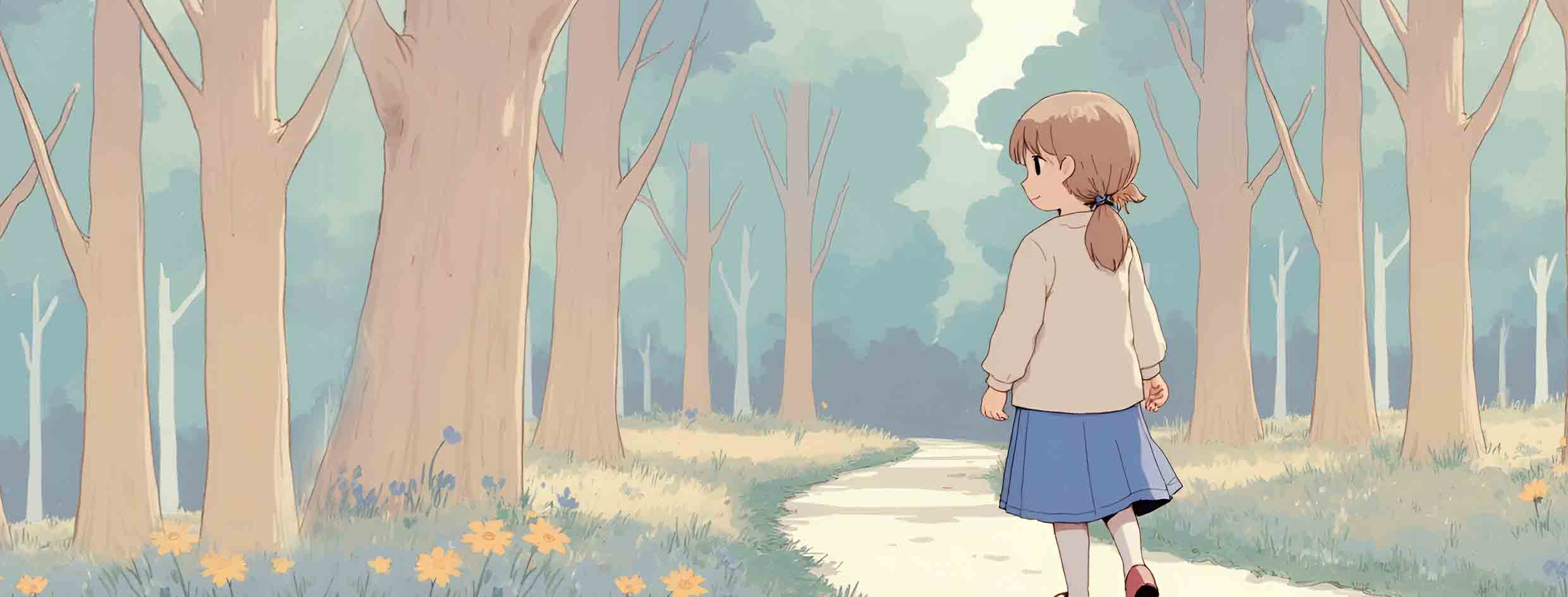
There’s the girl who sits on the side, by herself, her eyes a little lowered.
Every now and then you see her get up, take a walk around, maybe get a little closer to the group that’s playing, and go back to her place.
There’s the loud one with lots of noise around her, an audience of listeners standing next to her with big eyes.
She talks with big gestures and somewhat dismisses anyone who wants to say something.
Every now and then someone comes to the teacher on duty to complain about something she said or did to her.
There’s the one who hovers around the teachers all the time; every minute she has something to tell,
every two minutes she asks some question, she’s also a bit clingy, not so pleasant.
There’s always a pair or a trio too, which the teacher says are glued together and never manage to separate.

There’s the one who goes to help the teachers, student teachers or secretaries, or chooses to talk with girls in an older grade.
She doesn’t find interest in her peer group (the age group she belongs to).
And there are a few more… In short – a healthy dynamic group, a regular, standard class map.
And this is where our part comes in. Because in every group there are the –
popular, forceful, invisible and rejected.
And sometimes it looks like a lost cause.
So the first important thing is to understand that "still water is murky water."
We want to create movement, a shift in roles. Not to lock someone into a specific place.
In addition – and here’s the good news!
There is hope, there is something to work on, and there are proven results.
Social skills are something that can be taught, just like remedial teaching,
That's why we call it social learning. We come focused and march toward the goal.
Our first step is to do some mapping. Put everything on the table and check who needs help.
If you’re a teacher or gan teacher –
take 3 or 4 times when you only observe. Simply sit and watch the girls without doing anything.
Then try to note what you saw, and which category you place each girl in the group.
And to you, Mom –
I invite you to check what’s happening with you, where you place your son or daughter,
and if you don’t know – I’d tell you to ask the gan teacher / teacher.
Step 2 – Building skills through play
Let’s talk a little more about observation, this time focused observation.
During playtime with friends, notice how your child plays.
Try to put your finger on which skill you think he’s missing.
After you choose a goal you want to strengthen in your child to succeed socially, go to the game cupboard.
Choose one goal at a time: losing gracefully, being happy for others, coping with difficulty, sticking with it to the end, waiting your turn, being considerate, and any other social skill.
Now you're driving social change –
Let’s go in order.
Let’s take the common game as an example – the memory game.
- Preparing in advance
Before the game, we’ll talk about what’s going to happen and prepare the child for challenging situations he’ll encounter:
“You might want to say it out loud and you’ll need to hold back.”
“It’s not always easy to wait for your turn.”
“What will happen if your friend wins and takes all the cards?”
“Is it worth playing even without winning?”
- Personal example and conversation
During the game, we’ll model the right behavior for the child:
“I’m happy you’re succeeding.”
“I know where the pair is, but I’m not turning it over – because it’s not my turn.”
“I’m enjoying the game so much even though I’m not winning; winning isn’t the main thing.”
- Encouraging and reflecting back
During the game, we’ll focus on the small successes and reflect them back to the child.
We’ll do this with focused, detailed compliments:
“I was happy to see that you waited patiently.”
“You spoke clearly without shouting and we understood you perfectly.”
“It’s nice to play with a child who compliments friends during the game.”
We’ll continue the compliments and encouragement even after the game is back in its place.
We’ll remind the child of his successes, and with Hashem’s help we’ll see him progress and improve his social skills, outside the box too.

Esti Orzel – The Center for Promoting Social-Emotional Language (nonprofit)
050-41-73-200 | s0534155677@gmail.com